በግንቦት ወር የኤልጂቢቲኪው+ ዜና ቅንብራችን፣ ፋጤ የጋናን ፀረ-ተመሳሳይ ፆታ አፍቃሪያን ረቂቅ ሕግ፣ በካሜሩን ያለውን የፀረ-ተመሳሳይ ፆታ አፍቃሪያን ሙዚቃ፣ በዛምቢያ የኤችአይቪ ፈንድ ቅነሳን እና ከናይጄሪያ፣ ዩጋንዳ እና ሴራሊዮን የተውጣጡ መነበብ ያለባቸው ታሪኮችን ይዳስሳል።
በቤዛ ለዓለም
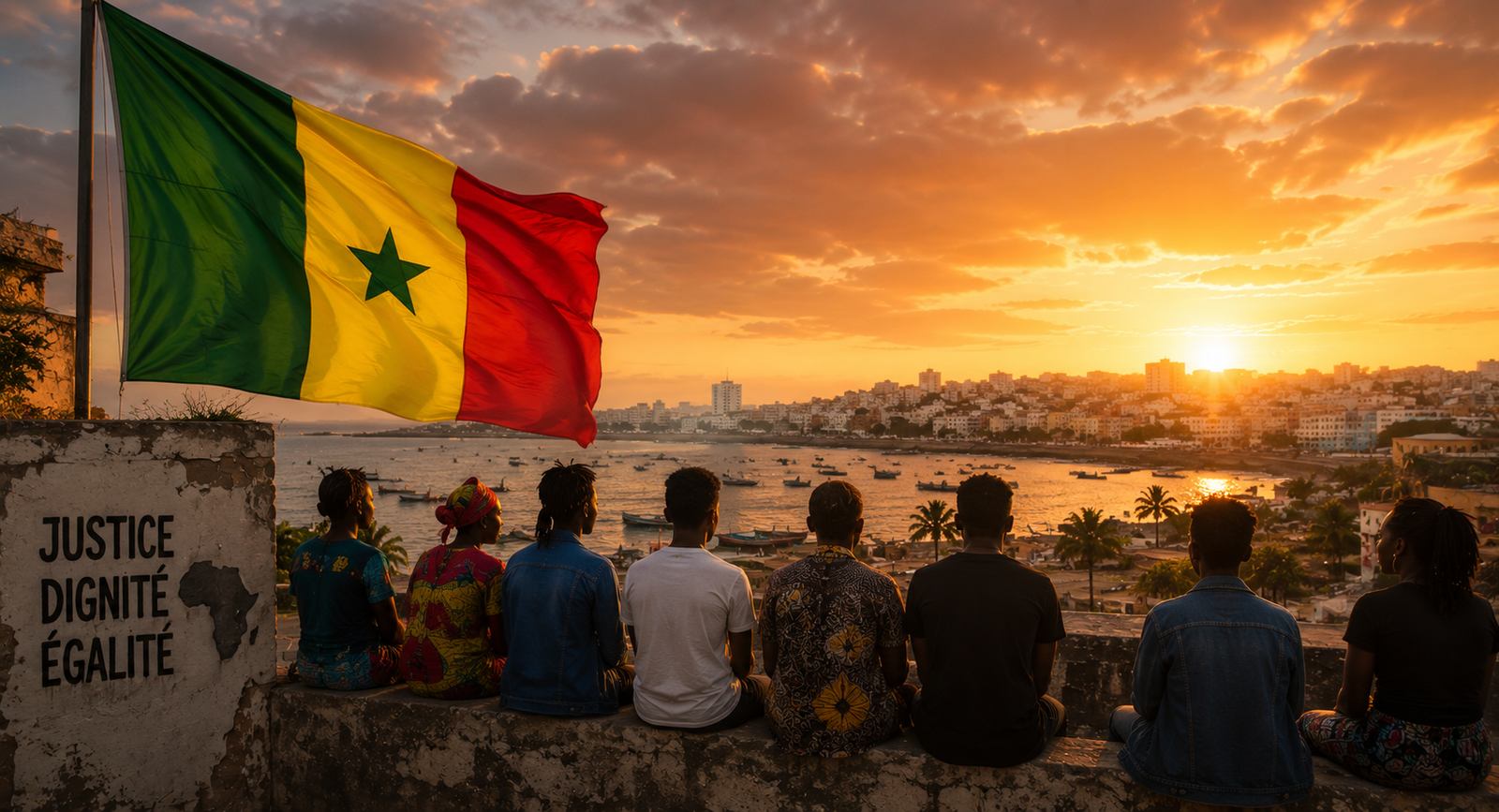
ሴኔጋል በተመሳሳይ ፆታ ግንኙነት ላይ የሚጣለውን ቅጣት ካጠናከረች ሁለት ወራት ብቻ በኋላ፣ የኤልጂቢቲኪው ሰዎች እንደገና በከባድ የፖለቲካ ውዝግብ መሃል ራሳቸውን አገኙ።
በግንቦት ወር፣ ጠቅላይ ሚኒስትር ኡስማን ሶንኮ የምዕራባውያን መንግሥታት ተመሳሳይ ፆታ መውደድን በአፍሪካ ማህበረሰቦች ላይ ለመጫን እየሞከሩ ነው ሲሉ ከሰሱ፤ እንዲህ ያሉ ጥረቶችንም የአገርን ሉዓላዊነት እና ባህላዊ እሴቶችን ለማዳከም የሚደረግ ሰፊ ‘ጭቆና’ አካል አድርገው ገለጹ። አስተያየታቸው የመጣው፣ ሴኔጋል በተመሳሳይ ፆታ ፆታዊ ድርጊቶች ላይ የሚጣለውን የእስር ቅጣት በእጥፍ ለማሳደግ በወሰነችው ውሳኔ ምክንያት፣ ከተባበሩት መንግሥታት እና የቀድሞ ቅኝ ገዢዋ ፈረንሳይ መሪዎችን ጨምሮ ዓለም አቀፍ ትችት ከገጠማት በኋላ ነው።
የሶንኮ አስተያየት፣ በአፍሪካ የፖለቲካ እና የሃይማኖት መሪዎች ዘንድ እየተለመደ የመጣውን አነጋገር ያስተጋባል፤ እነዚህ መሪዎች የኤልጂቢቲኪው መብቶችን ዓለም አቀፋዊ የክብር እና የዜግነት ጉዳይ አድርገው ከማየት ይልቅ፣ ከምዕራቡ የመጣ ኢ-ሞራላዊ አጀንዳ አድርገው ያቀርባሉ። የጠቅላይ ሚኒስትሩ ከባድ ንግግር በሴኔጋል የተጀመሩት ፀረ-ተመሳሳይ ፆታ አፍቃሪያን ጥብቅ እርምጃዎች በሕግ ማውጣት ብቻ እንዳላበቁ ያሳያል። ይልቁንም የኤልጂቢቲኪው ሰዎች፣ ስለ ብሔርተኝነት፣ ሃይማኖት እና ድኅረ-ቅኝ ግዛት ማንነት በሚደረጉ ሰፊ ክርክሮች ውስጥ ምልክት ሆነው መጠቀማቸውን ቀጥለዋል።ተመሳሳይ ፆታ መውደድን አፍሪካዊ ያልሆነ ነገር አድርገው በማቅረብ፣ የፖለቲካ መሪዎች ራሳቸውን የባህል፣ የእምነት እና የአገር ጠባቂዎች አድርገው ማሳየት ሲችሉ፣ የፆታዊ ዝንባሌ እና የሥርዓተ-ፆታ አናሳዎችን ደግሞ ቀላል መወንጀያ ያደርጓቸዋል።
ተመሳሳይ ሁኔታ በሌሎች የአህጉሪቱ ክፍሎችም ታይቷል። በጋና፣ ፓርላማው በኤልጂቢቲኪው ሰዎች እና እነሱን ይደግፋሉ ተብለው በሚከሰሱ ሰዎች ላይ የሚጣሉ ገደቦችን በእጅጉ የሚያሰፋ አወዛጋቢ ረቂቅ ሕግ አፀደቀ። ረቂቁ ሕግ ለመሆን አሁንም የፕሬዚዳንቱን ማፅደቅ ስለሚፈልግ እስካሁን ሕግ አልሆነም፤ ሆኖም በፓርላማ ማለፉ ሌላ አስፈላጊ ምዕራፍ ነው።በጋና እና በውጭ ያሉ የኤልጂቢቲኪው መብት ተሟጋቾች ፕሬዚዳንት ጆን ማሃማ ረቂቁን እንዳይፈርሙ ጠይቀዋል፤ እሳቸው ግን ሕጉ እንዲሆን እንዲፈቅዱ ከሃይማኖት መሪዎች፣ ወግ አጥባቂ ቡድኖች እና በተለያዩ የፖለቲካ አቋሞች ላይ ከሚገኙ ፖለቲከኞች ከፍተኛ የአገር ውስጥ ግፊት ገጥሟቸዋል።
የፆታዊነት ጉዳዮች ባለፈው ወር በሕዝብ ጤና ክርክሮችም ተነስተዋል። በዛምቢያ፣ ተሟጋቾች የዓለም አቀፍ የኤችአይቪ/ኤድስ ፈንድ ቅነሳ ከወዲሁ የጤና እና የድጋፍ አገልግሎቶችን ለማግኘት ለሚቸገሩ ተጋላጭ ማህበረሰቦች ከባድ መዘዝ እያስከተለ ነው ሲሉ አስጠንቅቀዋል።ይህ ስጋት፣ ከአህጉሪቱ ርቀው የሚወሰኑ ውሳኔዎች — በዚህ ጉዳይ በትራምፕ አስተዳደር ሥር በአሜሪካ — ወደ ኋላ የመቅረት አደጋ ከፍተኛ በሆነባቸው ሰዎች ጤና፣ ደህንነት እና የወደፊት ተስፋ ላይ ተፅዕኖ ማሳደራቸውን እንደቀጠሉ ያሳያል።
ሆኖም የግንቦት አርዕስተ ዜናዎች በጠላትነት ብቻ አልተሞሉም። የዩጋንዳው ተሟጋች ፍራንክ ሙጊሻ ለአሥርተ ዓመታት ላደረገው የሰብዓዊ መብት ተሟጋችነት ዓለም አቀፍ እውቅና ሲያገኝ፣ በፕሪቶሪያ የተካሄደ የፕራይድ ክብረ በዓል ደግሞ በሌሎች የአህጉሪቱ ክፍሎች ጫና እየጨመረ ቢሆንም በአንዳንድ የደቡብ አፍሪካ ክፍሎች የኤልጂቢቲኪው ደስታ እና ማህበረሰብ እየበለፀጉ መሆናቸውን አስታውሷል።ሌላ አበረታች እድገት ከጋና መጣ፤ ተሟጋቾች ለኢንተርሴክስ ሕፃናት መብቶች የሕገ መንግሥት ጥበቃ እና የበለጠ እውቅና እንዲሰጥ ጥሪያቸውን እያደሱ ነው። .
የፋጤ የወሩ ተሟጋች
በየወሩ ፋጤ በመላው አፍሪካ ለኤልጂቢቲኪው ማህበረሰቦች የሚቆሙ ሰዎችን ያወድሳል። የዚህ ወር የክብር ተሸላሚያችን፣ በአገሯ ኬንያ የትራንስጀንደር መብቶችን ለማራመድ ለዓመታት ባደረገችው ያልተቋረጠ ተሟጋችነት ከፍተኛ አስተዋፅዖ ያበረከተች ሰው ናት።
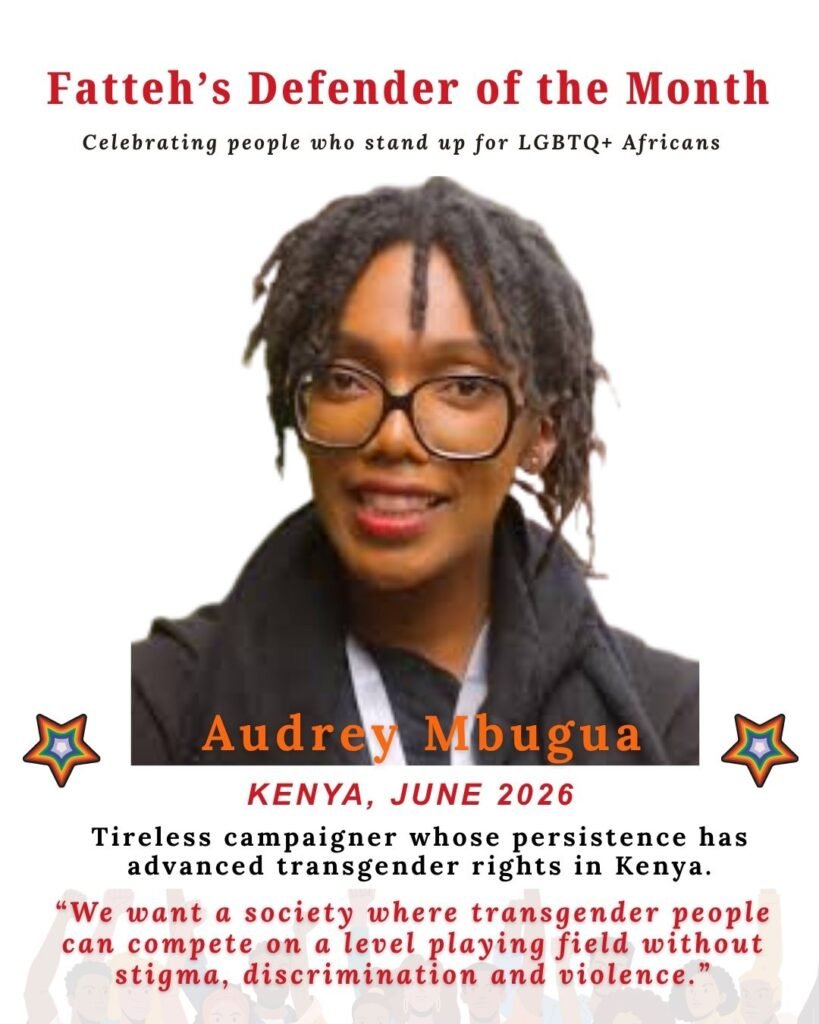
ኦድሪ ምቡጉዋ በኬንያ የትራንስጀንደር ሰዎችን መብት ለማራመድ ለአሥርተ ዓመታት ባደረገችው ዘመቻ፣ በቅርቡም ሌላ አስፈላጊ የሕግ ድል በማስመዝገቧ፣ የፋጤ የወሩ ተሟጋች ናት። ባለፈው ወር የኬንያ ፍርድ ቤት በእሷ ጥቅም ውሳኔ በመስጠት፣ በኦፊሴላዊ ሰነዶች ላይ ስም እና የሥርዓተ-ፆታ መለያ ለመቀየር የሚፈልጉ ሰዎች ያላቸውን መብት እንደገና አረጋግጧል። ዳኛው፣ እነዚህን ለውጦች በማዘግየት ወይም እርምጃ ባለመውሰድ ለማደናቀፍ የሚደረግ ሙከራ ተቀባይነት እንደማይኖረው አመልክቷል።የኬንያ የሰብዓዊ መብት ኮሚሽን ውሳኔውን “በኬንያ የትራንስጀንደር ሰዎች መብት፣ ክብር፣ እኩልነት፣ ግላዊነት እና እውቅና ረገድ ወደፊት የተወሰደ አስፈላጊ እርምጃ” ሲል ገልጾታል።
ይህ የቅርብ ጊዜ ውሳኔ ምቡጉዋ እንዲገኙ ካገዘቻቸው በርካታ የሕግ ድሎች ጋር ይደመራል። በ2014፣ የኬንያ ብሔራዊ የፈተናዎች ምክር ቤት (Knec) በትምህርት ማረጋገጫዎቿ ላይ ስሟን እንዲቀይር እና ማንነቷን ከእንግዲህ የማያንፀባርቀውን የወንድ ፆታ መለያ እንዲያስወግድ ያስገደደ ታሪካዊ ክስ አሸንፋለች። ሌሎች ኦፊሴላዊ ሰነዶች ግን ሳይቀየሩ በመቅረታቸው፣ ምቡጉዋ የቢሮክራሲ እንቅፋቶችን መቃወሟን ለመቀጠል ተገድዳለች።ትክክለኛ የማንነት ሰነዶች ከትምህርት እና ከሥራ እስከ ጤና አገልግሎት፣ ጉዞ እና የግል ደህንነት ድረስ በሁሉም ነገር ላይ ተፅዕኖ አላቸው።
እ.ኤ.አ. በ2008 ምቡጉዋ ትራንስጀንደር ኤዱኬሽን ኤንድ አድቮኬሲ (TEA) የተባለውን ፈር ቀዳጅ የትራንስጀንደር መብት ድርጅት መሥርታለች፤ የኬንያ ባለሥልጣናት መጀመሪያ ድርጅቱን እውቅና ለመስጠት እምቢ ካሉ በኋላም እንዲመዘገብ ለማድረግ የሕግ ትግል አድርጋለች።የእሷ ጽናት፣ ትራንስጀንደር ሰዎች በኬንያ በግልጽ እንዲኖሩ እና መብቶቻቸውን እንዲጠይቁ ያለውን ቦታ ለማስፋት አግዟል፤ ይህም ትራንስጀንደር ሰዎች በመላው አፍሪካ እጅግ ከሚጠቁ እና በተሳሳተ መንገድ ከሚረዱ ማህበረሰቦች መካከል ባሉበት ወቅት ነው።
የምቡጉዋ ትግል ሁልጊዜም እጅግ ተራ በሚመስል ነገር ላይ ያተኮረ ነው፤ የዕለት ተዕለት ሕይወትን በደህንነት፣ ከራስ ጋር በመጣጣም እና በክብር የመኖር መብት። በአንድ የሰብዓዊ መብት ጉባኤ ላይ እንደተናገረችው፣ “ሰዎች የሌሎችን የሥርዓተ-ፆታ ማንነት የሚያከብሩበትን ማህበረሰብ እንፈልጋለን። ትራንስጀንደር ሰዎች ያለ መገለል፣ መድልዎ እና ጥቃት በእኩል ዕድል መወዳደር የሚችሉበትን ማህበረሰብ እንፈልጋለን።”
የግንቦት ወር አርዕስተ ዜናዎቻችንን በሙሉ ይዳስሱ

 የሴኔጋል ጠቅላይ ሚኒስትር ምዕራቡ ተመሳሳይ ፆታ መውደድን በአፍሪካ ላይ ለመጫን እየሞከረ ነው አሉ
 የጋና ፓርላማ ሰፊውን የፀረ-ኤልጂቢቲኪው ረቂቅ ሕግ ወደፊት አራምዶ የፕሬዚዳንቱን ውሳኔ እየጠበቀ ነው
 የዛምቢያ ተሟጋቾች የኤችአይቪ ፈንድ ቅነሳ በኤልጂቢቲኪው ሰዎች ላይ ያለውን ቀውስ እያባባሰ ነው ሲሉ አስጠነቀቁ
 የናይጄሪያ አፍሮቢትስ የሙዚቃ ዓለም ከኩዊርነት ጋር ካለው ያልተረጋጋ ግንኙነት ጋር እየታገለ ነው
 በካሜሩን የትራንስ ታይነት ቀን የውበት ውድድር ተሳታፊዎች ጥቃትና ዝርፊያ ደረሰባቸው
 የጋና ኤድስ ኮሚሽን በፀረ-ኤልጂቢቲኪው ክርክር መሃል የኤችአይቪ መከላከያ መሣሪያዎችን ተከላከለ
 የሴራሊዮን ሪፖርት የኤልጂቢቲኪው ሰዎች የኢኮኖሚ መገለልን ጎልቶ አሳየ
 በ‘እርማት’ የአስገድዶ መድፈር ክስ ተከሳሹን ፍርድ ቤት ነፃ ካወጣ በኋላ በደቡብ አፍሪካ ቁጣ ጨመረ
 የዩጋንዳው የኤልጂቢቲኪው ተሟጋች ፍራንክ ሙጊሻ ዓለም አቀፍ የሰብዓዊ መብት ሽልማት አገኘ
በሴኔጋል የወንዶች የወሲብ ንግድ ክስ በኤችአይቪ መገለል እና ፆታዊነት ላይ ክርክር አስነሳ
 የጋና ኢንተርሴክስ ተሟጋቾች ለሕፃናት ጠንካራ የሕገ መንግሥት ጥበቃ እንዲደረግ ጠየቁ
የደቡብ አፍሪካ የሥራ ቦታ ሪፖርት በኤልጂቢቲኪው አካታችነት ፖሊሲዎች እና በተግባር መካከል ያለውን ክፍተት አጋለጠ
 በካሜሩን የተወለደ ተመሳሳይ ፆታ ወንድ አፍቃሪ የቪዲዮ ጨዋታ ሻምፒዮን ከአሜሪካ ሊባረር ከመሆኑ ጋር እየታገለ ነው
 ፕሪቶሪያ ፕራይድ ከደቡብ አፍሪካ ትልልቅ ከተሞች ውጭ ያለውን የኤልጂቢቲኪው ታይነት ጎልቶ አሳየ
 ቫቲካን ተመሳሳይ ፆታ ያላቸውን ጥንዶች ጥምረት እንደማትባርክ ለግብፅ ኮፕቲክ ኦርቶዶክስ ቤተ ክርስቲያን አረጋገጠች