
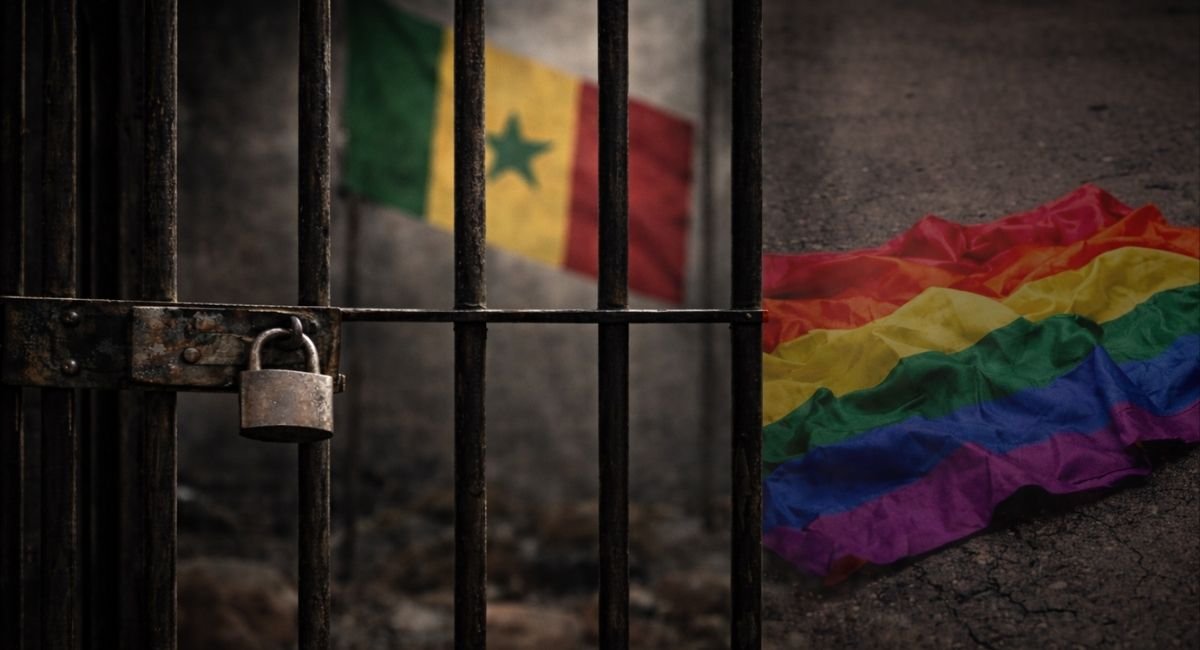
Proposed changes to Senegal’s penal code could double prison terms for same-sex relations, raising alarm among LGBTQ+ advocates
Advocates say the proposed law has created an ‘atmosphere of terror’ among the local LGBTQ+ community and warn that, if passed, it would intensify hostility toward those who already face criminalisation.
By Daniel Anthony
Senegal’s prime minister Ousmane Sonko has moved to double prison sentences for same-sex relations and LGBTQ advocacy, advancing legislation that would increase penalties from five years to a maximum of ten years in jail, amid a widening crackdown on LGBTQ+ people.
The new bill was approved by the cabinet on 18 February, with the government framing it as a defence of national and moral values. Sonko subsequently called on legislators to back the proposal, describing it as a needed tightening of the country’s criminal code. The bill is now awaiting consideration before parliament.
Under Article 319 of Senegal’s penal code, consensual same-sex relations, referred to in the law as “unnatural acts,” are punishable by a prison sentence of one to five years and fines ranging from 100,000 to 1.5 million CFA francs (approximately $180 to $3,000). The proposed amendment seeks to increase the maximum prison term to ten years and raise fines to between 2 million and 10 million CFA francs ($3,500 to $18,000). The draft legislation would also introduce prison terms for individuals accused of promoting or advocating for homosexuality while imposing harsher sentences in cases involving individuals under 21.
During a presentation at parliament on 24 February, Sonko stated, “Anyone committing an act against nature will face harsher punishments.” He added that “any person who advocates for homosexuality shall be punished with imprisonment for three to seven years,” and emphasised that the maximum sentence would apply if the act involved a minor. Sonko also criticised what he described as external pressure on African states to liberalise their stance on homosexuality, framing the proposal as a defence of national sovereignty.
Human rights organisations and LGBTQ activists say the proposed amendments could intensify an already hostile environment for sexual minorities in Senegal. Larissa Kojoué, a researcher at Human Rights Watch, warned that strengthening criminal penalties risks worsening conditions for LGBTQ people facing discrimination under existing laws.
Developments in Senegal are also raising concern among advocates across the wider West African region. Alex Ademola, an activist working with The Initiative for Equal Rights (TIERs), a Nigerian advocacy group supporting marginalised communities including LGBTQ people, said the proposal comes at a time when LGBTQ individuals in Senegal already face widespread violence, stigma and legal risks. “Increasing criminal penalties could embolden vigilante behaviour and discourage victims of violence or blackmail from seeking help,” he said. Laws targeting same-sex relations, he warned, often reinforce stigma and make it harder for community networks to support affected populations.”
Local activists report that the impact is already being felt on the ground. A Senegalese LGBTQ activist from the advocacy group Free Sénégal described the current climate as “an atmosphere of fear, even terror,” according to Le Monde. The activist noted that the renewed political focus on homosexuality has caused many individuals in the community to be more cautious about their daily lives, including where they socialise and whom they trust with their identities.
Recent arrests have further intensified anti-LGBTQ sentiment, with several cases of men accused of “unnatural acts” widely reported across the local media. At least a dozen individuals were ) detained last month under existing laws, including a well-known TV presenter and musician.
These cases have sparked renewed public debate and heightened rhetoric portraying homosexuality as incompatible with Senegal’s cultural and religious values. Activists say social media campaigns calling for harsher punishments have contributed to the increasingly tense atmosphere. Supporters of the bill argue that the proposal reflects majority sentiment in the predominantly Muslim country and is necessary to protect social norms.
No date has yet been set for a parliamentary vote. If adopted, the bill would mark one of the most significant tightening of laws targeting LGBTQ people in Africa in recent years.